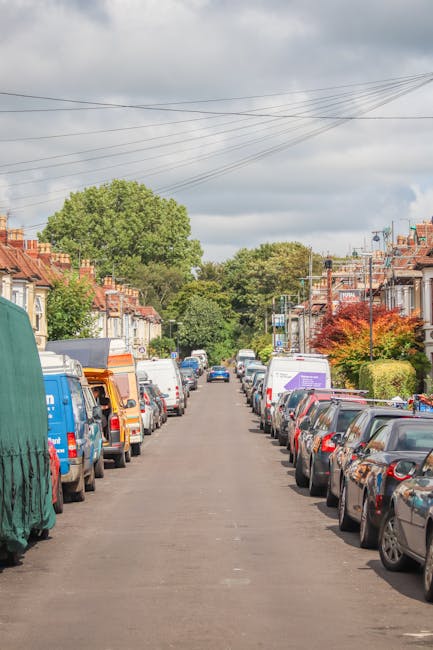
Avoid parking fines on Brompton removals Royal Borough rules: a practical guide for a smoother move
If you are planning a move in Brompton, the last thing you want is a parking ticket turning an already busy day into a mess. That is exactly why avoiding parking fines on Brompton removals Royal Borough rules matters so much. In this part of London, space is tight, roads can be awkward, and loading windows can disappear fast if you have not planned properly. The good news? With a bit of local know-how, you can stay on the right side of the rules, protect your budget, and keep the move moving. This guide breaks down what matters, what usually goes wrong, and how to prepare without the stress.
Contents
- Why avoiding parking fines matters
- How the rules work in practice
- Key benefits and practical advantages
- Who needs this and when it makes sense
- Step-by-step guidance
- Expert tips for better results
- Common mistakes to avoid
- Tools, resources and recommendations
- Law, compliance, standards and best practice
- Options, methods and comparison table
- Case study or real-world example
- Practical checklist
- Conclusion
- Frequently asked questions
Why Avoid parking fines on Brompton removals Royal Borough rules Matters
Brompton is one of those areas where a move can look simple on paper and then become tricky the minute a van arrives. Streets can be narrow, kerb space is limited, and you may be sharing the road with residents, deliveries, taxis, and the odd impatient driver who wants to squeeze past. A removal van stopping in the wrong place, even for a short time, can create problems quickly.
Parking fines are not just an irritating extra cost. They can also slow the whole move down. A driver may need to reposition, the team may lose time carrying boxes further than expected, and stress levels rise. Nobody wants to be standing on the pavement at 8:15 in the morning, holding a lamp and wondering whether the flashing lights you just noticed are for you. Let's face it, that is not the energy anyone wants on moving day.
For Brompton moves, the issue is often less about a single dramatic mistake and more about small oversights. A bay not checked. A timing restriction missed. A vehicle that is too large for the access. Or a permit assumption that turns out to be wrong. The Royal Borough rules are there to manage traffic and kerbside use, so you need to plan your removal around them, not hope they will be forgiving.
Expert takeaway: Most parking fines during removals are avoidable. The safest approach is to treat parking as part of the move plan, not something to sort out on arrival.
If you are comparing move options, it also helps to choose a provider that understands local access challenges. A company used to central London conditions, such as a man and van service with Brompton experience, is often better placed to plan around tight streets, loading restrictions, and short notice changes.
How Avoid parking fines on Brompton removals Royal Borough rules Works
The idea is simple: understand the parking conditions around your old address and your new one, then organise the move so the vehicle can load and unload legally. In practice, that means checking where the van can stop, what times apply, whether a loading bay exists, whether a permit or dispensation is needed, and how long the team is likely to spend at each property.
The rules may vary depending on the exact street, the type of bay, local restrictions, and whether the address sits in a controlled parking area. That is why generic advice like "just park outside" can be a bit useless. In Brompton, a plan that works on one road may fail completely two streets away. If you have ever circled the block once, then twice, then started muttering under your breath while checking your watch, you will know the feeling.
Good planning usually involves four things:
- Checking the parking restrictions for both addresses.
- Confirming the best vehicle size for access and street width.
- Allowing enough time for loading, carrying, and any lift use.
- Making sure the van is positioned where it can load safely and legally.
That is also where timing matters. Early mornings are often easier than later in the day, but not always. Some roads are calmer at certain times, while others are affected by school runs, deliveries, or commuter traffic. If you are moving near a station, busy junction, or terrace street, the window for a clean loading position can be surprisingly short.
For readers dealing with urgent or same-day moves, it is worth looking at practical guidance for urgent moves around West Brompton. Fast moves can work well, but only if the parking side is sorted before the van pulls up.
Key Benefits and Practical Advantages
Staying compliant is the obvious benefit, but there is more to it than avoiding a ticket. A well-planned parking setup can make the entire removal smoother and cheaper in real terms, even if the permit or extra planning takes some effort upfront.
- Lower risk of fines: The main win. No one wants to pay for a mistake that could have been avoided with a bit of pre-checking.
- Less wasted time: If the van can park legally close to the entrance, loading is faster and the crew can work more efficiently.
- Reduced carrying distance: Shorter carries mean less fatigue, less damage risk, and fewer awkward moments with heavy furniture on stairs or pavements.
- Better neighbour relations: A considerate move makes a difference in shared blocks and tight residential streets.
- Lower stress: You can focus on the boxes, keys, and paperwork instead of the parking meter drama.
There is also a quieter benefit that people sometimes miss: good parking planning helps with protection of your belongings. If the van is parked in the right place, items spend less time outside, in the rain, or being passed hand-to-hand across a narrow gap. Small detail, but it matters. You notice it especially in London, where weather and traffic can both turn in a minute.
For larger moves or properties with more furniture, looking at full removal services can be worthwhile because the team can plan the vehicle, loading time, and route as one package instead of treating parking as an afterthought.
Who This Is For and When It Makes Sense
This advice is useful for anyone moving in or out of Brompton, but some people feel the parking pressure more sharply than others. If your move involves a busy road, a basement flat, a mansion block, a terrace with no driveway, or a property with awkward access, you will want to plan ahead rather than improvise on the day.
It is particularly relevant if you are:
- moving from a flat with no private parking;
- using a hired van or a small removal team;
- moving during a weekday when restrictions are likely to be tighter;
- dealing with bulky items like wardrobes, sofas, or a piano;
- coordinating a same-day move;
- new to the area and not familiar with local parking controls.
It also makes sense for landlords, agents, and office managers who need to organise access on behalf of someone else. A quick mistake can cost time and money, and sometimes the ticket ends up being disputed later, which is not a fun admin job. Better to get it right at the start.
If your move is business-related, the same principles apply. A smooth commercial move still depends on sensible vehicle placement, especially where loading access is limited. In those cases, a service such as commercial moves support can help you handle the logistics without guesswork.
Step-by-Step Guidance
Here is a straightforward way to keep your Brompton move as parking-safe as possible.
1. Check both addresses early
Do not wait until moving day. Look at the street layout, signs, bay markings, and any obvious access issues. If you can visit in person, do it. Standing on the pavement for five minutes often reveals more than an online map ever will.
2. Identify loading and waiting restrictions
Some streets allow short loading only at certain times. Others have resident bays, pay-and-display areas, or single yellow line restrictions that change by time of day. Read signs carefully. This is where people get caught out, because a bay can look usable and still be the wrong type for a removal vehicle.
3. Match the vehicle to the access
Too large, and you create a parking issue. Too small, and you create multiple trips. Neither is ideal. In Brompton, vehicle choice should reflect street width, carrying distance, and the amount of furniture being moved. A compact van may be the smarter choice on a tight street even if it means more careful packing.
4. Build in time for loading and delays
Moving always takes longer than the optimistic version in your head. Doors stick, lifts are slow, and someone always remembers one last box from the back of a cupboard. Give yourself breathing space so you do not feel forced to overstay a parking position.
5. Confirm what happens if the vehicle cannot stop directly outside
Sometimes there simply is not a perfect spot. In that case, agree in advance where the van can wait, how the team will carry items, and whether extra time is needed. A realistic plan beats a hopeful one every time.
6. Keep key documents and contact numbers handy
Have booking details, vehicle information, and any parking arrangements available on the day. If a question comes up, you do not want to be hunting through your phone while the driver is trying to unload. That little bit of preparation makes a big difference.
Expert Tips for Better Results
These are the sorts of small, practical tips that tend to save people money and hassle.
- Do a dry run the day before: If possible, walk the route from the van stop to the front door. You will spot steps, narrow gates, awkward turns, and potential blockages.
- Use the quietest loading window: Early starts are often cleaner, but not always. Aim for the period when traffic and pedestrians are least likely to interfere.
- Communicate with neighbours if needed: A polite heads-up can reduce friction, especially in a shared building. It sounds old-fashioned, but it works.
- Keep the loading space tidy: Boxes stacked neatly and furniture ready to go reduce time at the kerb.
- Plan for rain: London weather has a cheeky habit of changing just when you are carrying a mattress outside. Keep covers, blankets, and wraps ready.
A useful habit is to prepare one "first out, first in" group of items so the crew can work efficiently without stopping to decide what comes next. The less the van sits still, the better. Simple, but true.
If you are also sorting packing materials, packing and box options can help you reduce loose items and speed up loading. Clean packing usually makes parking easier too, because the team spends less time juggling awkward shapes at the kerb.
Common Mistakes to Avoid
Parking problems on removals are often predictable. The same few mistakes crop up again and again, and they are all avoidable.
- Assuming the same rules apply everywhere: They often do not. Two nearby streets can have very different restrictions.
- Ignoring bay markings: A bay is not automatically available for removal loading. Check the type and hours.
- Forgetting the return move: People focus on moving out and forget that unloading at the new place can create its own parking issue.
- Underestimating time: A ten-minute delay can become a fine if the vehicle stays in a restricted spot too long.
- Choosing the wrong van size: Bigger is not always better. Sometimes a smaller vehicle is easier to position legally.
- Not briefing the driver: If the driver does not know the access constraints, they may arrive with the wrong expectation.
One of the most common headaches is the "we'll just be a few minutes" assumption. Parking enforcement does not really care how busy you are. Harsh, but there it is. Planning properly is the only reliable answer.
Tools, Resources and Recommendations
You do not need fancy kit, but a few practical tools make the whole process calmer.
- Printed moving plan: Helpful when phones are buried under boxes or battery life is disappearing fast.
- Street-level photos: A couple of photos of the parking area can help the mover judge access more accurately.
- Measuring tape: Useful if you are deciding whether a van can fit comfortably near the entrance or whether furniture needs dismantling.
- Labels and colour coding: Keeps loading efficient and reduces the time the vehicle is parked.
- Protective covers and blankets: Helpful for rainy days, scratched hallways, and awkward door frames.
For people weighing up costs, it can help to review pricing and quotes before the move. A clear quote is useful because it shows whether parking time, access difficulty, or extra carrying distance may affect the overall cost. You want no nasty surprises, basically.
If sustainability matters to you, there is also a practical side to reducing wasted journeys and unnecessary repeat trips. The recycling and sustainability approach can be relevant when you are clearing items before moving and trying to keep the move as efficient as possible.
Law, Compliance, Standards and Best Practice
This topic sits in the space between everyday logistics and local parking compliance. You do not need to become a traffic lawyer, but you do need to respect the practical rules that apply to the street and any controlled parking area. The safest approach is to treat council signs, bay markings, and local restrictions as binding unless you have confirmed otherwise.
Best practice is straightforward:
- check restrictions before the move date;
- do not assume unloading automatically makes a restriction disappear;
- park only where the vehicle can stop safely and legally;
- avoid blocking dropped kerbs, driveways, or access points;
- keep the move as short and organised as possible;
- use sensible vehicle loading methods to reduce dwell time.
If you are using a professional mover, they should also follow reasonable safety standards for loading, carrying, and vehicle positioning. That matters not only for avoiding fines but also for preventing damage to people, property, and the van itself. If anything about the arrangement feels uncertain, ask before the day. A short question now beats a long argument later.
For reassurance on operational standards, you can also look at the company's insurance and safety information. That is not a parking permit, of course, but it does give you a better sense of how the move is handled if something unexpected happens.
Options, Methods and Comparison Table
There is no single perfect way to manage parking on a Brompton removal. The right method depends on the building, the road, the amount of furniture, and how much time you have. Here is a simple comparison of common approaches.
| Method | Best for | Pros | Watch-outs |
|---|---|---|---|
| Pre-booked legal loading spot | Carefully planned home or flat moves | Reduces risk, faster loading, calmer day | Needs advance checking and accurate timing |
| Short-stay roadside loading | Smaller moves and light furniture | Convenient if restrictions allow it | Easy to overrun if packing is not ready |
| Smaller van with more trips | Narrow streets and tight access | Often easier to position legally | Can take longer overall |
| Professional move with route planning | Busy streets or larger household moves | Better coordination, fewer surprises | May cost more upfront, though not always by much |
For many Brompton moves, the smartest option is not the biggest vehicle or the fastest schedule. It is the one that fits the street. That sounds obvious, but plenty of problems start when people plan around convenience instead of access.
Case Study or Real-World Example
Here is a realistic example based on the sort of move that happens all the time in Brompton.
A couple moving from a top-floor flat near a narrow residential road had a sofa, bed frame, several boxes, and a few awkward items from storage. At first, they assumed the van could stop directly outside for an hour while everything was loaded. On checking the street properly, they realised the closest legal stopping point was a little further down the road, and the bay rules were tighter than expected.
Instead of leaving it to chance, they adjusted the plan. They chose a slightly smaller vehicle, moved the boxes downstairs the evening before, and booked the loading window for a quieter morning slot. The driver positioned the van legally, the team kept the carry route clear, and the move finished without a ticket or any parking drama. Nothing glamorous. Just sensible planning.
The big lesson? A move rarely fails because of one huge problem. It tends to wobble because several small assumptions stack up. Once those assumptions are checked, the day feels much lighter. Not effortless, but lighter.
Practical Checklist
Use this checklist before moving day. It is simple, but it will save you a headache.
- Confirm the parking restrictions at both addresses.
- Check whether a bay, loading area, or permit-style arrangement is needed.
- Measure access points, stairs, and tight turns if possible.
- Choose a vehicle size that suits the street, not just the furniture.
- Book the move for a sensible time of day.
- Prepare items in advance so loading starts quickly.
- Protect furniture and flooring before the van arrives.
- Keep a contact number available for the driver or moving team.
- Have a backup plan if the van cannot stop directly outside.
- Double-check the new address too, not just the old one.
It is a small list, but it covers the parts that usually trip people up. And yes, there is always one box you forget. Usually the kettle.
Conclusion
Avoiding parking fines on Brompton removals Royal Borough rules is mostly about good preparation, calm decisions, and respecting the realities of local streets. The more tightly packed the area, the more important it is to plan parking as part of the move itself. Check the restrictions, choose the right vehicle, leave enough time, and keep the loading process organised. That is how you reduce risk without making the day more complicated than it needs to be.
If you are moving in Brompton, the safest route is usually the practical one: plan early, keep things simple, and work with people who understand the area. A move can still be busy, of course, but it does not have to be chaotic. There is a lot to be said for that.
Get a free quote today and see how much you can save.
Frequently Asked Questions
Do I need a parking permit for a Brompton removal?
Not always, but you may need special parking arrangements depending on the street, bay type, and local restrictions. The safest approach is to check both addresses in advance rather than assuming loading will be allowed wherever the van stops.
Can a removal van stop on single yellow lines in Brompton?
Sometimes short loading may be possible, but that depends on the exact restriction, the time of day, and whether loading is permitted there. It is worth checking carefully because a line on the road is never the whole story.
How do I avoid parking fines when moving from a flat in Brompton?
Start by checking the loading access, then plan the moving window around the most suitable time. A smaller van, a quicker load, and clear communication with the mover all help reduce the chance of a fine.
Is it better to use a small van for narrow Brompton streets?
Often yes. A smaller vehicle can be easier to position legally on tight roads, even if it means a few more trips. In many Brompton moves, ease of access matters more than sheer capacity.
What if the van cannot park directly outside my property?
That is common in central London. The key is to plan the carry route, allow extra time, and make sure the team knows the nearest legal stopping point. A little extra walking is usually better than risking a ticket.
Should I arrange parking before moving day?
Absolutely. Last-minute parking decisions are where most problems start. Even a quick check the day before can save time, money, and stress on the day.
Do same-day removals create more parking risk?
They can, mainly because there is less time for planning and fewer options if the first parking choice does not work. If you need a same-day move, build in some flexibility and keep the access details clear.
What is the biggest mistake people make with removal parking?
Assuming the van can just stop outside. In Brompton, that assumption is often wrong. The road layout, restrictions, and other traffic usually make the situation more complicated than people expect.
Can professional movers help with parking rules?
Yes, experienced movers should be able to plan around access and loading issues. They may not control the local restrictions, but they can help you avoid common mistakes and choose a better vehicle or time slot.
Does packing well really help with parking compliance?
It does. Better packing usually means faster loading, which means less time spent at the kerb. That reduces the chance of overstaying a legal stopping window, which is exactly what you want.
What should I ask a mover before booking in Brompton?
Ask how they handle narrow streets, loading access, vehicle size, and timing. If they sound comfortable talking through those details, that is usually a good sign. If not, maybe keep looking.
Is it worth paying more for a company that knows Brompton well?
In many cases, yes. Local knowledge can save time, reduce parking mistakes, and make the day feel far more controlled. Sometimes the cheapest option becomes the expensive one once fines or delays enter the picture.